
Over fall break, I had the pleasure of taking a research trip to Smith College, located in Northampton, Massachusetts. This research trip was for my honors project about the history of women of color feminist organizations in the 1970s and 1980s. This was my very first time in Massachusetts, so I was nervous yet excited to embark on such an enlightening New England voyage.
Smith College, a renowned liberal arts women’s college with notable alumni such as Sylvia Plath and Julia Child, has an extensive special collections archive with collections dedicated to rare books and women’s history. Their Sophia Smith Collection for Women’s History features feminist archival material, including radical feminist organizations.
I was able to find so much material on an organization that my honors thesis will be centered on: the Third World Women’s Alliance (TWWA). Stemming from the Student Non-Violent Coordinating Committee (SNCC) and the Black Women’s Liberation Committee, the TWWA was a transnational radical feminist organization by and for third-world women of color. They focused on the “triple jeopardy” of race, sex, and class oppression, giving a voice to women in Third World communities, starting with their New York chapter in 1970 and their Bay Area chapter in 1971. In 1972, they created their own publication, “Triple Jeopardy,” to further highlight marginalized third-world voices.
During my two days in the archives, I came across an impressive array of pamphlets, meeting minutes, endorsements, and poems from the group itself.
The TWWA was incredibly versatile as an activist collective, working with other organizations such as the Black Servicemen’s Caucus and Women of the Whole World and organizing committees and subcommittees for women’s issues ranging from reproductive rights to consciousness-raising and supporting political prisoners. The organization was also well-known for organizing International Women’s Day (IWD).
What I found the most interesting was that they even had specialized committees dedicated to women, such as Angela Davis, incarcerated for alleged conspiracy to murder, and Inez Garcia, a woman charged for murdering one of her rapists in self-defense. The organization helped organize defense funds for these women and created rallying slogans such as “Viva Inez, Fight Rape!” to fight back against sexual assault and rape.
In the span of a decade, the TWWA made so much progress in their nationwide activism and created a sustainable network of connections that helped other groups, such as the Alliance Against Women’s Oppression (AAWO) and the Coalition to Fight Infant Mortality, get their foot in the radical feminist door. This diverse group of ladies (and some brothers of color) decentralized America from their mission and adopted an international lens to support third-world women.
Conducting this research felt like the pinnacle of my work and interest in women’s gender studies and women of color-centered feminism. Each day, I emerged from the archive refreshed, reminding myself of why I love researching social history in the first place. The data collection process was not always easy, and there were times when I was fatigued and itching to get some fresh air, but I persevered.
As a Hispanic-Arab woman, I gained a deeper understanding of why women of color like me owe so much to groups like the TWWA, which set a profound precedent for intersectional activism.

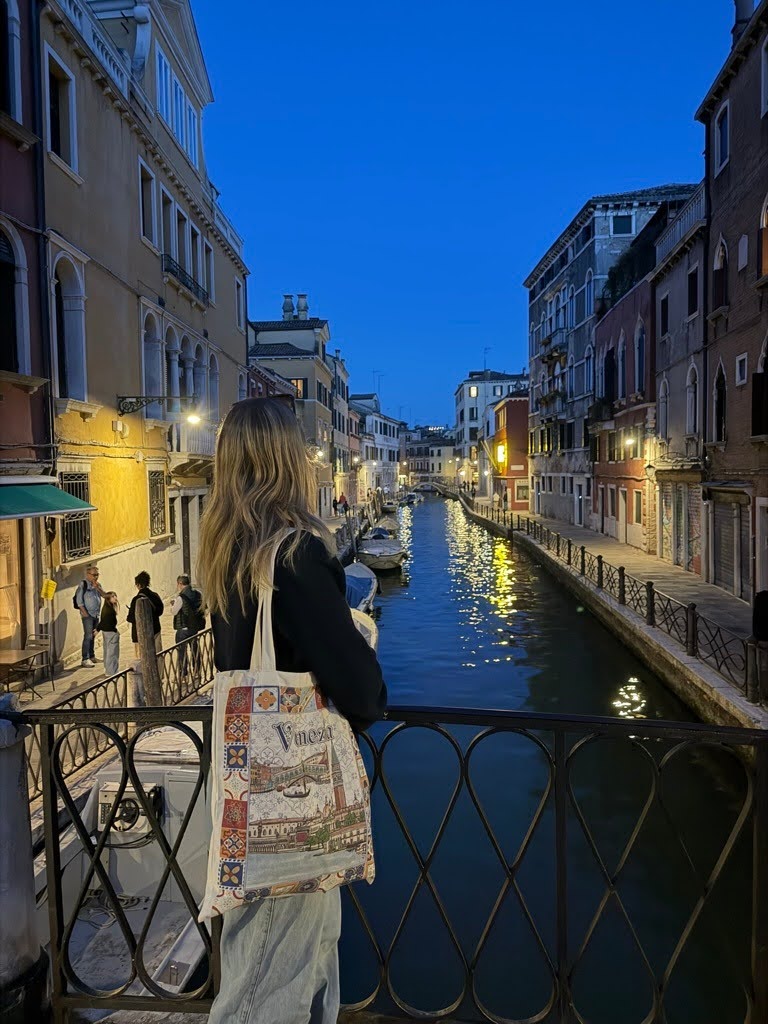
Aside from my research work, I really enjoyed the artful scenery of Smith’s campus, including its botanical garden/plant house (Moravian, take notes!) and its own boat house by Mill River. My travel buddy, Cat, and I tried some amazing restaurants in the area, such as Noodles Restaurant (best teriyaki chicken I’ve ever had!) and stumbled across a wonderfully bohemian bookstore called Raven Used Books with an impressive classic literature collection.
I cherished my time at Smith College and in Northampton, and, as I tell people, I found a wonderful New England niche there. I’m more than looking forward to returning there someday!
I would like to give special thanks to the Center for Inclusive Excellence (CIE), the Department of English and Writing Arts (DEWA), the Women’s, Gender, and Sexuality Studies Department (WGSS), the History Department, and the Rehabilitation Sciences Department for helping me secure funding for my research. I’d also like to thank Dr. Anderson, my honors project advisor, for encouraging me to take the trip in the first place, for helping me organize it, and for always being supportive of my endeavors.