

When we think of timeless albums, we always pivot to the oldies: The Beatles’ “Sgt. Pepper,” Michael Jackson’s “Thriller,” and Fleetwood Mac’s “Rumours,” just to name a few. No doubt these albums are certified classics in their own right, but what about albums from the last few years? What albums will be tagged as timeless generations down the line?
When I was thinking about albums that I considered timeless, I took it in a more literal sense: albums that address time or even toy with it. Albums that defy time in terms of instrumentation and reuse old-school sounds with a more modern edge. You may or may not have heard of these albums, but trust me, there’s a reason I consider each of them infinitely timeless.
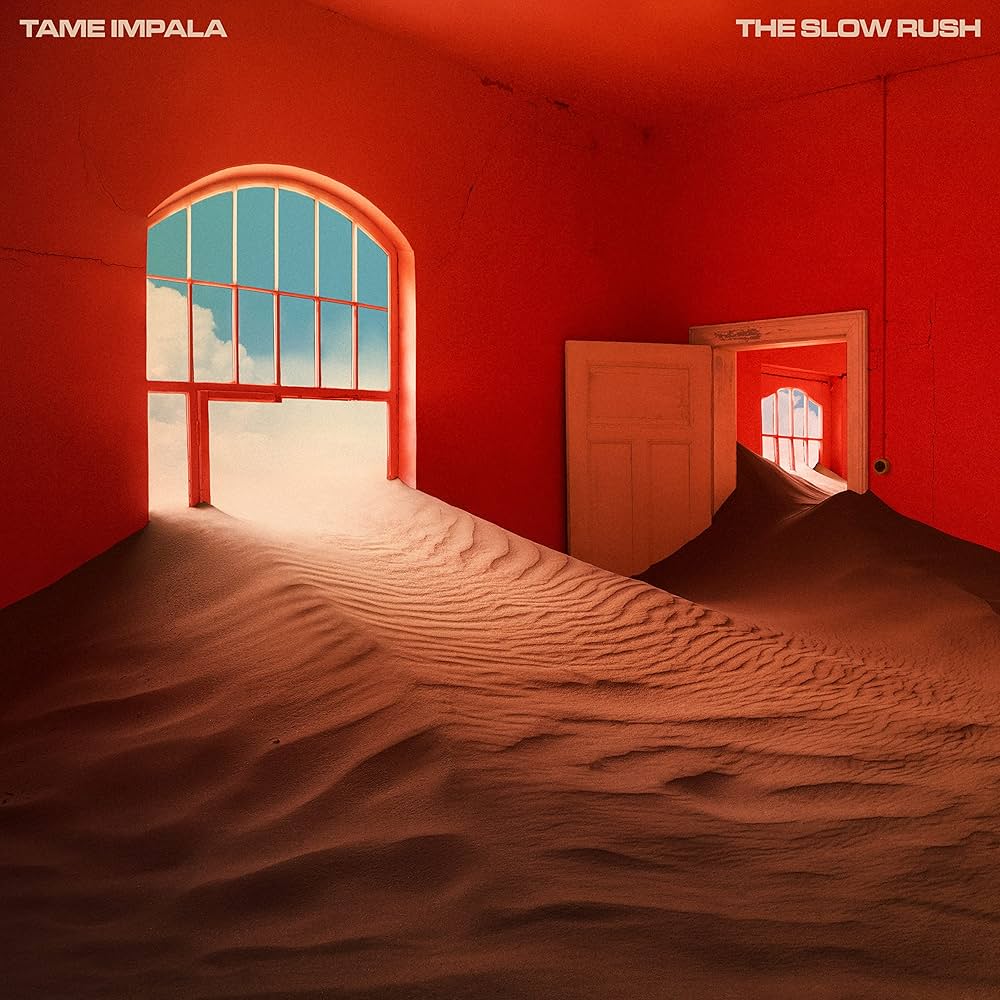
“The Slow Rush” by Tame Impala
Was this article just an excuse for me to gush about my favorite Tame Impala album? Of course not … okay, yes. After listening to and reviewing “Deadbeat,” I just had to return to this album and see how well it holds up, and let’s just say that disappointment was nowhere to be found!
If there was ever an album that conjures surrealism and fluidity of time, it’s “The Slow Rush.” Whenever I listen to it, I always imagine Salvador Dali’s famous painting “The Persistence of Memory,” with the imagery of the sands of time. Tame Impala mastered that same feeling that Dali’s painting evokes for me: the loss of time and the impending possibility of what life has in store for you.
“One More Year” is our synth-heavy, reverberated gateway into the album’s themes of time passing and disorienting reality. In a Genius interview, Parker described reminiscing on being “blissfully trapped” and making life and time count. “Why don’t we just say one more year?” is his way of offering an alternative: living presently to make the future count.
Even so, future anxiety is still very much present on the remainder of the tracklist. “Borderline” is pure synth-funk stream-of-consciousness backed by a boosted bass groove, hitting all the right emotion beats with just one line: “Will I be known or loved?” If that wasn’t enough, it has one of the best pre-choruses I’ve ever heard, with a lyrical build-up that really captures how it feels to be “caught between the tides of pain and rapture.”
“Lost in Yesterday” drives the future anxiety message further with nostalgia of “living in squalor” and romanticizing the past. As someone who falls into the mind trap of picturing memories as way better than they actually were, I’ve always found so much solace and validation in this track. The way Parker croons about how it “hurts to be lost in yesterday” and wanting to erase bad memories that hold you, feels earnest, and speaks on how our minds can distort memories.
Amidst this conflict with time, Parker provides meditative insights on how time can heal in some ways or provide opportunities to start again. Whether it’s belated reconciliation on “Posthumous Forgiveness” or mindfulness and unity on the house music-infused “Breathe Deeper,” he taps into the fluidity of time and where it can lead us – all this backed by celestial 70s-inspired funk and disco and dream-like vocals, of course.
Where the album most beautifully captures the healing powers of time is on “On Track” and “One More Hour.” No matter where I’m at in life, struggling or not, I always seem to revisit “On Track.” To call it inspiring would be a severe understatement; it’s been an anchor for me, a reminder that I’m heading in the right direction even when, at times, it feels like I’m hopelessly stranded. It’s timeless in that it’s effortlessly honest, while also being emotionally uplifting.
As I go through my senior year, feeling uncertain about the future, I hear a lyric like “Challenges falling in my lap, strung out again but still on track” and remind myself that it’s not all for nothing.
“One More Hour” is just as sweetly reflective, acknowledging the brevity of life but knowing that you can make the most of it. Ending an album with a surreal sentiment like “Bare one more hour and you’ll know your life is one to share” is so fitting and just confirms how impactful this album will be decades from now.
“Titanic Rising” by Weyes Blood
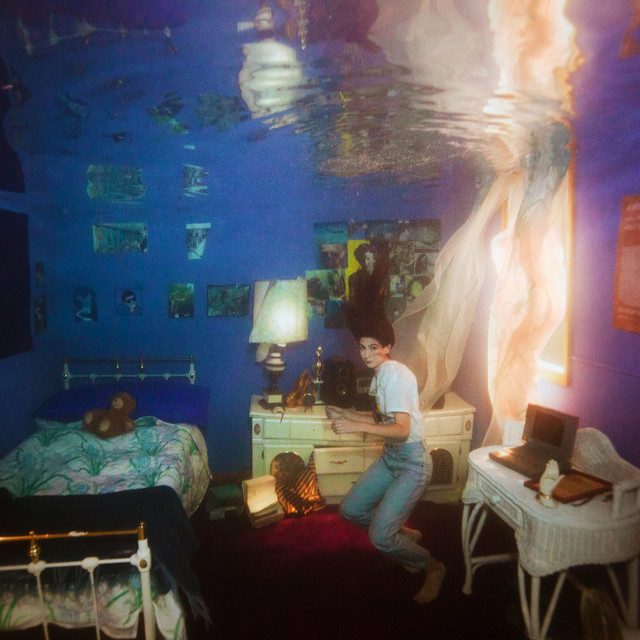
When I say that Weyes Blood is this generation’s Karen Carpenter, I mean that wholeheartedly. 2019’s “Titanic Rising” only cements that further as an album that continues to age gracefully now six years later.
Weyes Blood, real name Natalie Mering, blends mystical lyricism with 60s-70s singer-songwriting allure. Even when she’s borrowing musical ideas from those iconic decades, she manages to add so much vitality to the songs on this album.
There’s so much wanderlust and wistfulness found throughout the cohesive tracklist. “A Lot’s Gonna Change” and “Something to Believe” sample yearning and the search for something better down the line. Mering’s mellowed, folksy voice brings out these themes so majestically, and the melancholy in her voice is so visceral.
The melancholy musicality cuts even deeper on “Picture Me Better,” a chamber pop ballad written for a friend who committed suicide. Mering’s grief lingers in each lyric about “waiting for a call from beyond” and wondering what life would be like if that person were still with her. The strings and piano arrangement are the cherry on top of this somber yet tender track.
In between the deeper cuts, Mering enchants listeners with love ballads and kitschy piano tunes. “Andromeda,” her most recognized song, is just as celestial as the title suggests. In all its psychedelic folk glory, it truly embodies the feeling of finding love in a place as vast as the Andromeda galaxy.
“Everyday” furthers this, but with a saccharine, kitschy attitude on needing love daily. The piano passages feel so Carpenters-inspired that it almost feels like a parody, but that doesn’t diminish how fresh the song is. Pair that with endlessly tender lyrics like, “True love is making a comeback,” and you have a track for the ages!
She pivots into cinematic territory with “Movies,” an otherworldly odyssey on wanting life to be as complete and picturesque as a movie. I didn’t expect a track about loving movies to be so deeply existential, but hearing her question the meaning of life and how it “doesn’t seem to shine like that screen” emphasizes how life is romanticized on the silver screen. The oceanic, murky instrumentation merges into this theme so well, and it, for some reason, always makes me think of the film “The Shape of Water.”
“Titanic Rising” is a testament to how old-school sounds can be revived and refreshed in the modern music landscape. Weyes Blood created an immersive, sublime album experience, and I look forward to seeing how beautifully this album ages when I’m older.
“Imaginal Disk” by Magdelena Bay
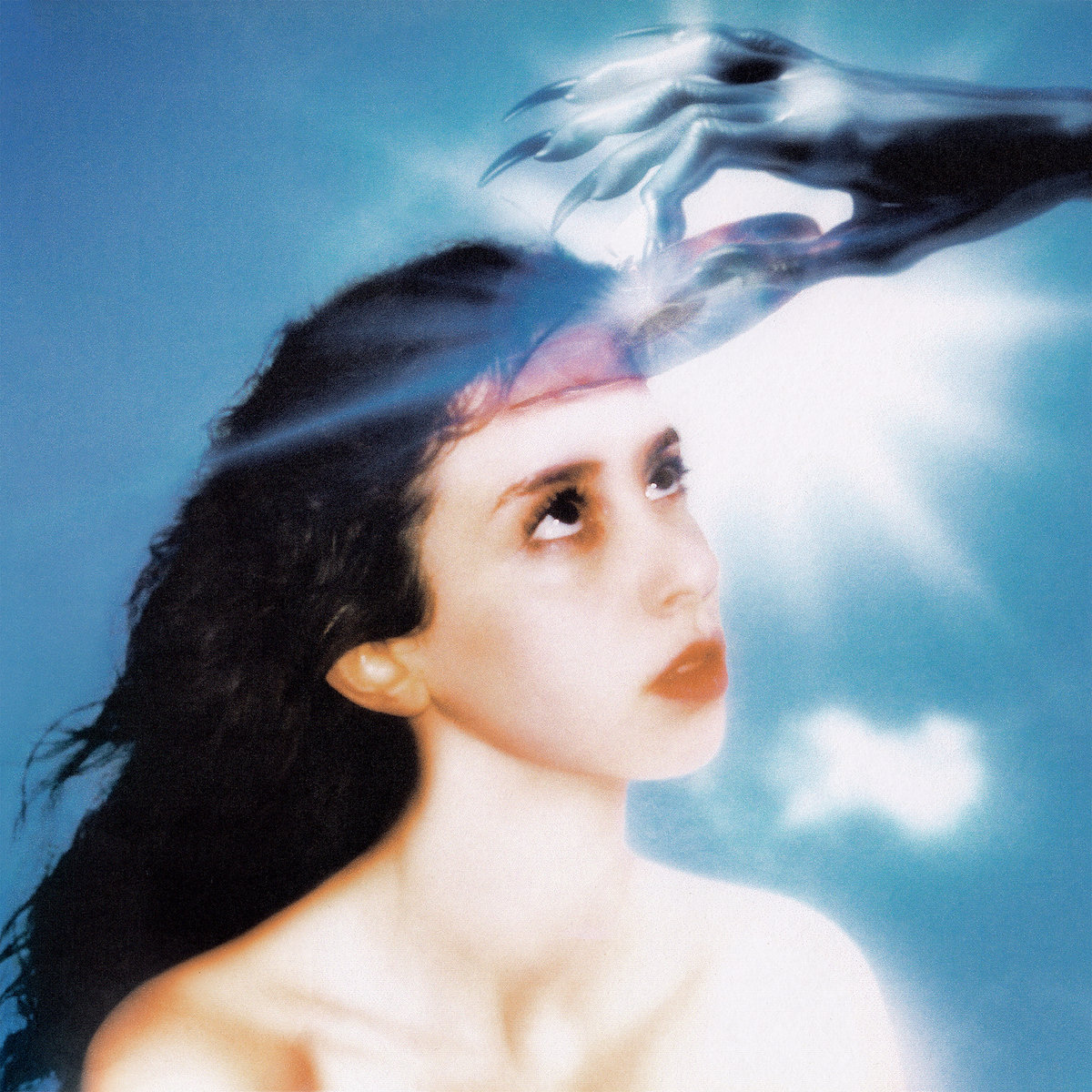
Magdalena Bay’s “Imaginal Disk” may be one of my favorite releases this decade so far. Maybe this is just recency bias, but this year-old album has a vibrant musical palate that is insanely unmatched, and I need more people to know about it. This alternative pop duo, consisting of Mica Tenenbaum and Matthew Lewin, created an art-pop album experience that just pulls you through different tuneful dimensions.
“Imaginal Disk” is one of those albums that remixes a certain melody throughout the track list. This is the case with both the opening and closing tracks, respectively, “She Looked Like Me!” and “The Ballad of Mica and Matt,” where they repeat a melodic motif in new ways, almost mimicking the sound of a scratched-up CD.
On the guitar-slick “Killing Time,” Tenebaum croons about dreaming life away and how time can deceive you: “If time is meant for living, why’s it killing me?” This sentiment echoes in the enigmatic “Image” and on the dynamic “Death and Romance.” The former is a glittery disco self-reflection brimming with a desire for an ideal self. Meanwhile, the latter is a synth-infused sonnet that toys with an unlikely dichotomy between death and love that I don’t think I’ve ever heard explored in a song before.
The end of the album grants us two blissful, moving tunes that, to me, really make the album such a transcendental listening experience. I think I could write a whole article dedicated to “Cry for Me,” with how inexplicably perfect it is beyond just a musical composition and lyrical level. This songful odyssey features a cluster of glistening piano, synth, and bass passages that feel like a mystical hybrid between ABBA and Tame Impala (and that’s enough to make the band kid in me cry). Not only is it composed so strikingly, but Tenebaum’s vocals are what make the track even more celestial, especially when she sings, “Share a little kiss and that’s forever/ Think of love when you remember me.” I don’t think I can fully express how much I adore this track. Even if you don’t end up checking out the whole album, I highly recommend you give this one a listen!
The theatrics of “Cry for Me” transition effortlessly into the infinitely classic love ballad, “Angel on a Satellite.” This detour into a more mellowed-out musical mood feels so comforting, and even as a ballad, it swells and layers into this orchestral dream pop palace. When the strings and harp come together, it makes ardent lyrics, “When I see me through your eyes, I love me so don’t leave my side,” cut that much deeper.
Even if it’s far too early to declare this project a classic, I can see “Imaginal Disk” holding up excellently in the future. Magdalena Bay did something so magical on this album that I think new indie pop artists may try replicating it for years to come.


