Moravian University is introducing a new opportunity for the 2026–2027 academic year: the Greyhound House and Greyhound Caretaker position. This program will allow a student to live on campus while fostering a greyhound, combining student life with the responsibility of caring for an animal.
The idea for this program came from a conversation between President Bryon Grigsby and Jeff Baba, president and adoption coordinator of Linda Ann’s Greyhound Adoption. The goal was to create a way for students to take on the responsibility of fostering a dog while also supporting a local rescue organization.
Developing the program required collaboration across multiple departments, particularly Student Life and Housing, which worked together to design a structure that would support the student, the greyhound, and the program.
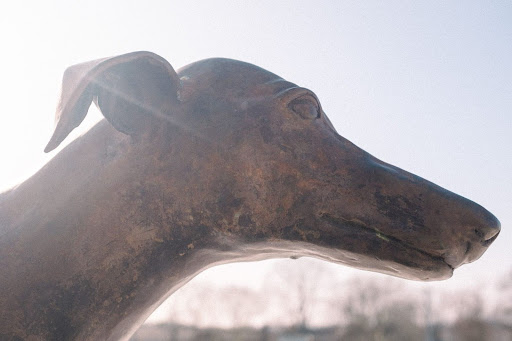
The initiative also connects directly to Moravian’s identity. The greyhound has long served as the university’s mascot, symbolizing speed, determination, and tradition. The mascot dates back decades and has become a central part of campus culture, especially through the presence of the beloved live mascot, Mo. Mo was a recognizable and cherished figure on campus until his passing in the summer of 2024.
By bringing a real greyhound onto campus, Student Life and Housing believe the program enables the university to continue that tradition in a new way by allowing students to connect more personally with the mascot while also helping a dog become socialized and prepared for adoption into a permanent home.
The Greyhound Caretaker will be responsible for the dog’s daily care, including feeding, walking, and maintaining its overall well-being. While the caretaker holds primary responsibility, the program is designed to be a collaborative effort.
Housemates are encouraged to interact with the dog, help let it outside, and take it for walks, though the caretaker remains ultimately responsible for ensuring consistent care.
To support the caretaker, Moravian has partnered with Linda Ann’s Greyhound Adoption, which will provide training, supplies, and guidance. The selected student will also receive support from housemates and university staff, ensuring the caretaker is not managing the responsibility alone.
At this time, the Greyhound Caretaker position has already been filled for the upcoming academic year. Applications opened up in early February, with interviews being conducted in mid-March. The university ultimately selected a well-qualified student who has accepted the role.
The expected time commitment for this position is manageable but consistent. Responsibilities include feeding the dog twice a day, providing stimulation through walks or play, and letting the dog outside if needed.
While participation in campus events is highly encouraged, it is not required on a daily basis. The caretaker is expected to remain on campus as needed, including during academic breaks, to ensure that the dog is well cared for. However, there may be periods between foster placements or times when housemates need to temporarily assist with supervision.
The Greyhound House will be located on North Campus, though specific residence details are not being publicly shared for student privacy.
As part of the role, the Greyhound Caretaker will receive a single room at no cost as compensation. Ideally, the selected student will commit to the position for the full academic year and remain on campus for both semesters. This expectation may limit the eligibility for students planning to study abroad at that time.
“Housing and Student Life hopes this program will have a positive impact by increasing student engagement and creating new ways for students to connect with the campus community,” a representative for Housing said. “As a dog-friendly campus, this initiative adds another layer to that identity while also supporting an animal in need.”
While there are no set plans yet to expand the program, the university will evaluate its success after the first year. Success will be measured by how supported the caretaker feels and whether the fostered greyhounds are successfully placed in permanent homes.