
The world is too interesting to stay in one place, and too complex to think you already understand it.
When you’re sitting in your dorm room scrolling through fellowship listings, it’s easy to assume programs like the Fulbright Grant are for other people, those mysterious overachievers who somehow have their lives perfectly mapped out. But here’s the secret: they’re not. Fulbright is for anyone curious enough to learn from the world and humble enough to realize how little they know about it.
The Fulbright U.S. Student Program is one of the most prestigious exchange programs in the world, funded by the U.S. Department of State. It sends recent graduates abroad to teach English, conduct research, or pursue graduate study while serving as cultural ambassadors. The goal isn’t just academic, but fostering human connection. The idea is that if you live in someone else’s culture long enough, you start to see your own differently.
And, on the other hand, you represent the United States government while abroad, so your role extends far beyond the classroom. You’re not just teaching English, but you’re embodying what America could look like at its best: open-minded, compassionate, and curious.
Fulbrighters are unofficial ambassadors, building trust in the small, daily ways that governments can’t. Whether it’s sharing Thanksgiving recipes or talking about free speech over coffee, those exchanges matter more than any headline ever will.
I first learned about the Fulbright during my first year at Moravian, but never thought I would apply. I didn’t think I was “smart enough.”
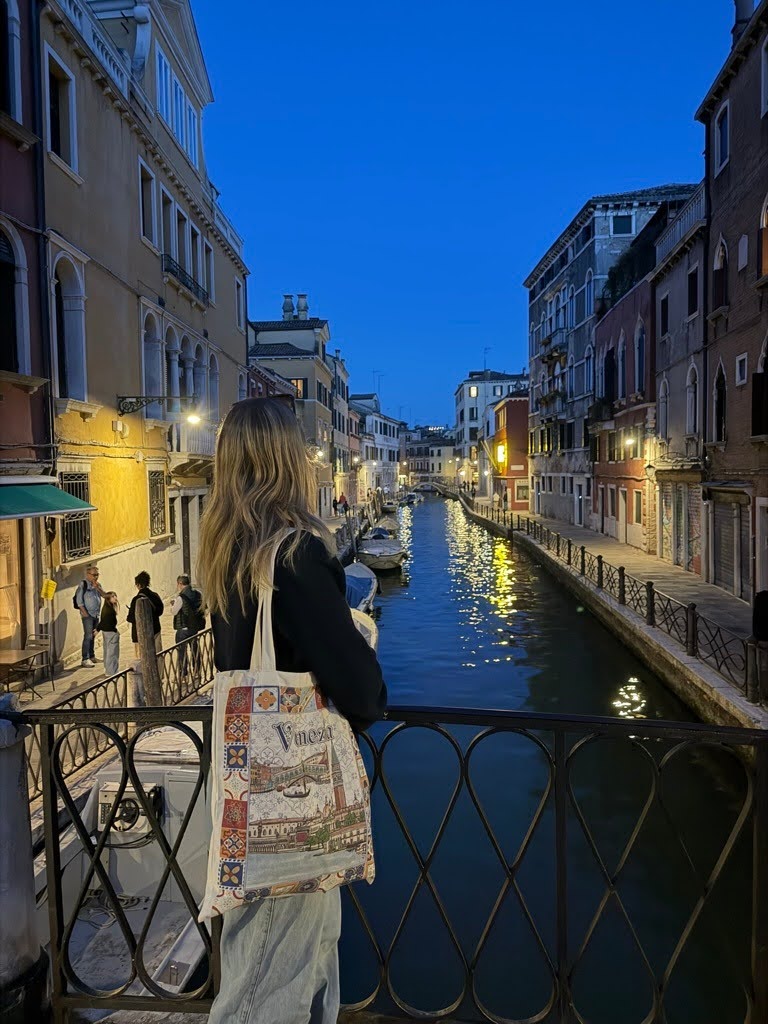
Until I spent a whole semester abroad, I found myself talking to people from all over the world, each with their own definition of “freedom” or “justice.” It was exhilarating and disorienting. That’s what sparked my Fulbright application: the realization that democracy, equality, and even education look different depending on where you stand.
This year, I applied for a Fulbright English Teaching Assistantship (ETA) in Slovakia. Most people don’t think of Slovakia when they think of international exchange, but that’s precisely the point.
It’s a small country still negotiating its post-communist identity, balancing old traditions with the pressures of modern Europe. I want to understand how people there talk about belonging, borders, and the future, and how language can bridge those divides, especially as someone with Eastern European heritage.
I wouldn’t have even considered applying if not for the encouragement of Moravian professors who saw something in me that I didn’t. Between the Writing Center drafts, late-night essay edits, and pep talks from friends, I realized that Fulbright is about purpose and intent, not perfection, so a special shoutout to the Moravian Writing Center, Liz Gray, Chris Hassay, and everyone else who helped me polish my application.
The application process was no small feat. Multiple essays, countless drafts, three recommendation letters, and weeks of reflection that felt like therapy disguised as writing. The personal statement forced me to confront not just what I’ve done, but why I’ve done it. The statement of grant purpose demanded precision: Why this country? Why this project? Why you? It’s humbling to stare at your cursor blinking, daring you to explain yourself in under 1,750 characters.
But here’s the thing: even before you hit “submit,” Fulbright changes you. You learn to tell your own story with clarity and conviction. You realize that cultural exchange isn’t about travel photos or fancy titles, it’s about empathy, curiosity, and the courage to listen. I’ve learned so much about myself in the application process alone.
Whether I’m selected or not, I already feel the reward of applying. I’ve had to think critically about how my education, my grief, my writing, and my wanderlust all connect to something larger than myself. Fulbright asks: What can you contribute to the world, and what are you willing to learn in return?
Studying abroad, let alone applying for Fulbright, is a privilege. But that privilege comes with the responsibility to use those experiences not as badges of achievement, but as bridges. The goal isn’t to collect stamps on a passport; it’s to bring something meaningful back home.
If you’ve ever thought about living abroad, teaching, researching, or just stepping outside your comfort zone, start looking into the Fulbright now. The deadline comes faster than you think, and the process is half the growth.