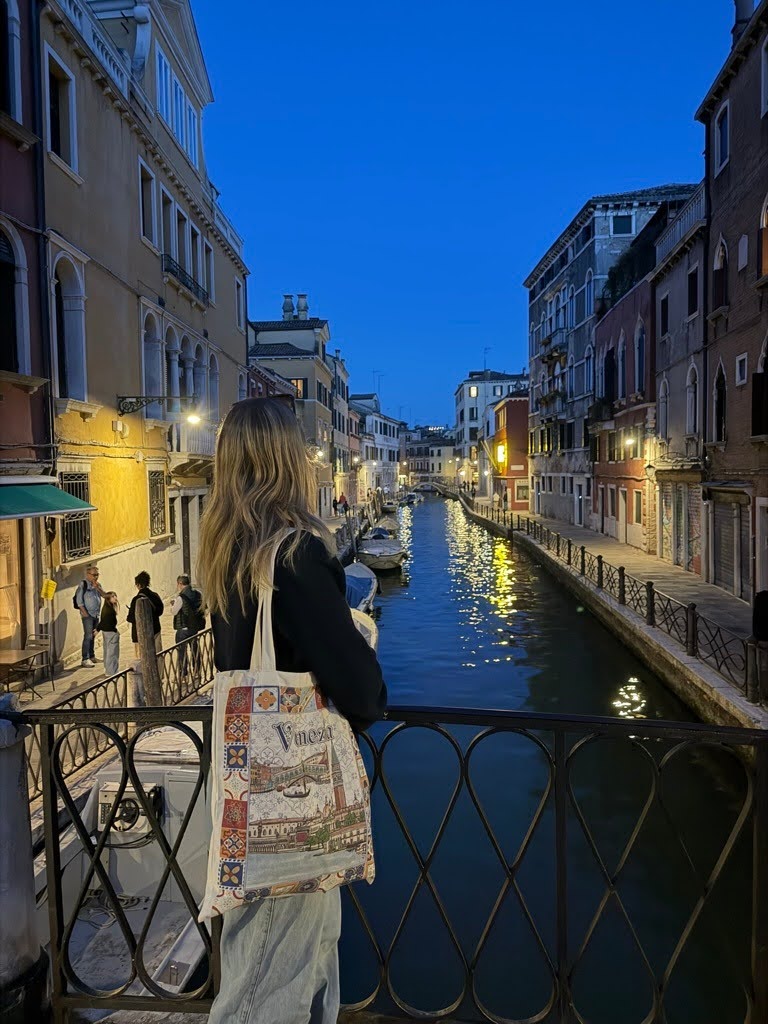

So, you decided you want to study abroad, but you don’t know where. How do you start looking? And what factors are important to you?
First, start with your why. Ask yourself what you want out of the experience. Are you chasing language immersion, academic rigor, personal growth, or a little bit of escape?
The “why” helps narrow the “where.” If you’re studying politics, maybe Brussels connects to your coursework, as it is home to the European Union headquarters. If you’re into art or history, cities like Paris, Florence, or Athens might be your best fit. If you just want to push yourself out of your comfort zone, maybe a smaller, less touristy city will do that best, like Siena or Tuscany, Italy.
First, make sure to match your academic requirements with the places you’re considering; not all programs fit neatly with your major requirements. Check with your academic adviser that your credits will transfer and count toward graduation. You’ll thank yourself later when you don’t have to squeeze in an extra class senior year!
Know your comfort zone, and when to stretch it. Yes, studying abroad is supposed to be challenging, but that doesn’t mean setting yourself up for misery.
Think about language barriers, climate, accessibility, and cultural expectations. You don’t have to pick the most exotic option to grow. Growth can come from learning to navigate a new city, cooking for yourself, or adjusting to a different rhythm of life. For example, I’m not fluent in any languages, so a city like Florence, where many of the locals speak English, was a perfect match for me. And, remember, many places in Europe do not regularly use elevators or A/C, so that might be a large cultural adjustment.
Make sure to also consider cost and logistics. Program fees, housing, flights, food, and weekend travel add up fast. Some countries and cities are drastically cheaper than others, and scholarships often have regional preferences. In addition, an exchange program is less expensive at Moravian, but my affiliate program was less costly than staying at Moravian for the semester. I only had to cover housing, meals, and my airfare, and my tuition was completely covered through scholarships and my federal loans.
An exchange program is usually the cheaper option because you continue paying your home university’s tuition. Still, it’s also more limited since spots depend on partner-school balances and existing agreements. It tends to be more tightly connected to your university, with clearer credit transfers and stronger institutional support. An affiliate program, on the other hand, is typically more expensive because you pay the provider’s tuition, but it offers far more locations, flexibility, and built-in programming. It’s a packaged experience with more structured support and perks, just at a higher cost.
However, all of this depends on the affiliate programs; Moravian pays up to ten thousand dollars of your tuition, which was a significant help in affording to study abroad, in addition to the Moravian scholarships that I received.
Also, think about support systems you would want when abroad. You have no family and no friends until you make them, so how independent are you? Some programs offer structured housing and on-site coordinators; others drop you into local apartments with minimal supervision. Be honest with yourself about what kind of support you’ll need to thrive, not just survive.
I was placed in a student hotel, which put a large burden on me to create and find my own friends in the city, but I appreciate more autonomy and freedom than a host family could offer, so this was the perfect combination for me.
I’m biased since I studied in Florence and loved it more than anything I’ve ever experienced, but I did visit many smaller towns, cities, and countries that stole my heart and brought me a newfound appreciation for community and connection, like Verona, Lucca, and Bologna in Italy, Andros in Greece, and the country of Malta.
I even met the older gentleman who fed all the stray cats in Andros, and every time I saw him, he gave me a hug, and when he saw I had my bags to leave, he gave me a kiss on the head. You don’t find that same connection in large cities.
And finally, trust your gut; there’s something intuitive about choosing a place. You’ll find yourself drawn to certain cultures, climates, or histories. If you keep imagining yourself walking down a certain street, it might mean something.
Whether you end up in Florence, Kyoto, or Cape Town, the right program will challenge and change you, not into someone new, but into someone more whole.
If you’re interested in studying abroad, reach out to the Study Abroad Office at [email protected] to help you get started!